Introduction
For small apparel and swimwear makers, fabric cutting can feel like wrestling with tricky stretchy materials. Elastic fabrics stretch out of shape, manual cutting eats up hours, and misaligned patterns mean costly fabric waste — a real headache for custom small orders.
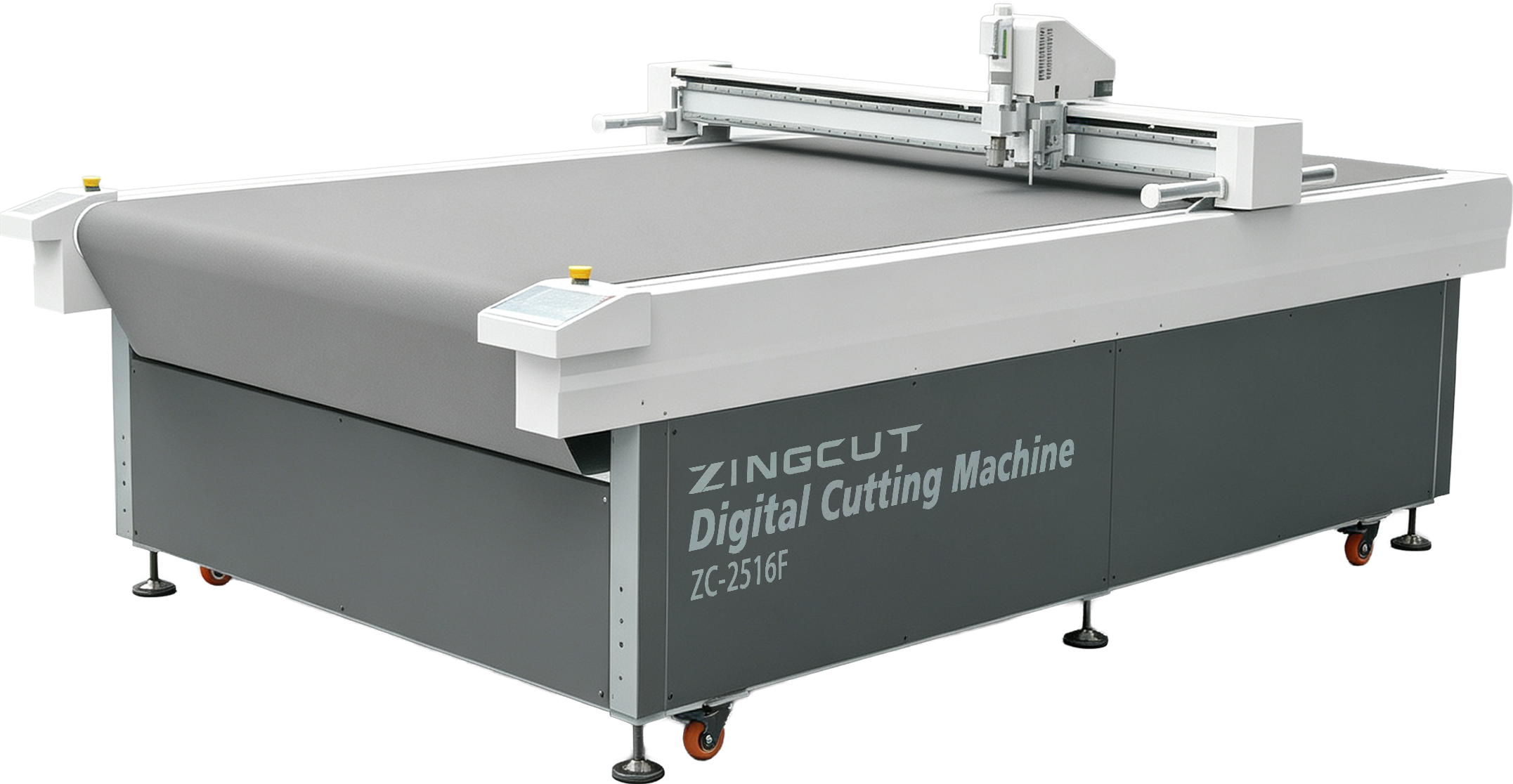
Thankfully, digital cutters change the game. Powered by projection positioning, they neatly handle stretch swimwear fabric and woven apparel materials. We’ll walk through typical cutting hurdles, how digital cutters solve them, and the practical production gains for small clothing manufacturers.
What Fabric Cutting Challenges Do Small Apparel & Swimwear Makers Face?
Stretch swimwear and apparel fabrics bring big headaches for small manufacturers. These slippery elastic materials easily shift and stretch during manual cutting, causing distorted shapes and pattern mismatch. Manual marking and cutting is also time-consuming, and poor nesting leads to expensive fabric waste, hurting profit for small custom orders.
When handling frequent small-batch styles, traditional cutting methods struggle to balance speed and consistency. Hand cutting relies heavily on worker experience, so quality varies between batches. It becomes hard to maintain stable output while meeting tight delivery schedules for custom swimwear and clothing.
Difficulties cutting stretch swimwear fabric (shifting, stretching out of shape)
Stretch swimwear fabric is inherently elastic and slippery. When manually cut, the material easily shifts or gets pulled out of shape, resulting in distorted contours and misaligned prints. Even minor stretching can ruin the fit of finished swimwear pieces.
Low efficiency of manual cutting for small orders
Manual marking and cutting is labor-intensive and slow. For small-batch custom swimwear and apparel orders, frequent style changes mean repeated layout work, extending lead times and limiting the number of orders you can take.
Pattern mismatch and material waste
Manual nesting often leads to pattern misalignment and gaps. Improper layout wastes costly fabric, which directly cuts into profit margins, especially for premium printed swimwear materials.
How Digital Cutters Solve These Fabric Cutting Pain Points
Digital cutters equipped with projection positioning tackle stretch fabric deformation perfectly. The projection system accurately projects patterns onto swimwear and apparel fabrics, locking the cutting position and preventing material shift during cutting. It keeps printed patterns aligned and avoids distorted outlines caused by stretching.
Smart nesting and automatic cutting greatly boost production efficiency. The machine optimizes layout automatically to reduce fabric waste, and quickly switches between different styles for small custom orders. It delivers consistent cutting quality without heavy reliance on skilled workers.
Projection positioning for accurate pattern alignment
The projection system overlays cutting patterns directly onto swimwear and apparel fabrics. It helps operators align printed graphics and fabric grain precisely, eliminating pattern offset caused by manual marking.
Stable cutting performance on elastic and thin fabrics
Digital cutters maintain steady cutting force for elastic and thin fabrics. It avoids pulling or stretching slippery swimwear materials, delivering smooth edges and preserving the original fabric elasticity.
Nesting optimization to reduce fabric waste
Automatic nesting intelligently arranges pattern pieces to maximize fabric usage. It minimizes gaps between cut parts, cutting down waste of high-priced swimwear and apparel materials and lifting your profit.
Production Benefits of Digital Cutters for Small Manufacturers
Digital cutters excel at fast setup, which fits small-batch custom orders perfectly. You can quickly import new patterns and switch between swimwear and apparel styles without lengthy die making. It drastically shortens preparation time and lets you accept more diverse custom orders.
Consistent clean cuts reduce extra post-processing work. Stable cutting quality lowers defective rates, while fewer skilled operators are required. Combined with fabric savings, it cuts overall production costs and improves profit margins for small clothing manufacturers.
Fast setup, ideal for small-batch custom orders
You can import digital patterns directly without custom dies. The quick setup makes it easy to switch styles, perfectly matching flexible small-batch swimwear and apparel custom orders.
Clean cutting edges, less post-processing work
It delivers smooth, clean cutting edges on stretch swimwear and apparel fabrics. No fraying or rough cuts, which greatly reduces trimming and finishing work after cutting.
Lower labor cost compared with manual cutting
The automatic cutting system reduces reliance on experienced cutters. One operator can manage the machine, cutting down manpower expenses for small apparel and swimwear workshops.