Introduction
Shoe making sounds simple, but it hides countless cutting challenges behind every stylish pair. Whether it’s genuine leather, synthetic leather, EVA foam or lining fabrics, these flexible footwear materials behave differently during cutting. Traditional die cutting often struggles to keep up with today’s fast-changing shoe styles.
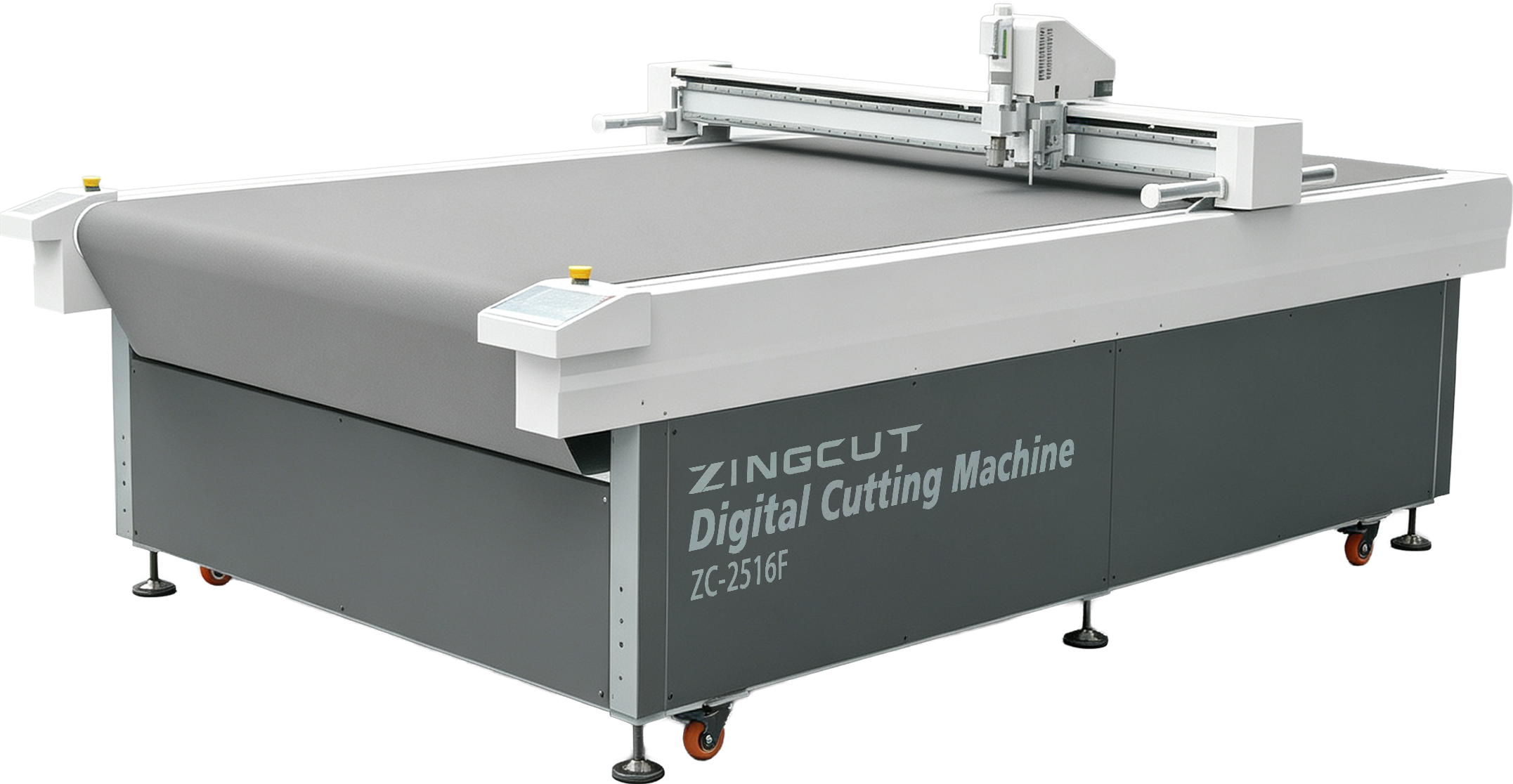
Picking the right cutting tool can save shoe factories from a lot of headaches, especially for frequent style revisions and small-batch custom orders. In this article, we will walk through common footwear materials, typical cutting troubles, and why the digital oscillating cutter stands out as a great solution for footwear production.
Common Footwear Raw Materials & Applications
Leather and synthetic leather are top choices for shoe uppers. They deliver premium texture and durability for sneakers, casual shoes and leather footwear.
EVA and foam materials are widely used for insoles and midsoles. Their cushioning property brings comfort and shock absorption for all types of footwear.
Textile lining and interlining fabrics serve as inner shoe components. These lightweight fabrics shape the shoe structure and improve wearing comfort.
Leather & synthetic leather for shoe uppers
Leather and synthetic leather are primary upper materials in the footwear industry. Genuine leather, made from animal hides, features natural grain, good air permeability and long-lasting wear resistance. Synthetic leather is engineered to mimic leather texture, with consistent thickness and affordable cost.
Both materials demand precise contour cutting. Clean, consistent cutting edges ensure the finished shoe upper fits perfectly during subsequent stitching and assembly.
Foam & EVA for shoe insoles and midsoles
Foam and EVA are lightweight, bouncy superstar materials for shoe insoles and midsoles. They absorb the shock from your every step and jump, easing pressure on feet and joints. Manufacturers pick different foam densities to fine‑tune footwear softness and support.
These squishy materials are tricky to cut. They can easily compress or deform under pressure. Reliable precision cutting keeps shapes consistent, so every insole and midsole fits perfectly during shoe assembly.
Textile lining and interlining for shoe inner parts
Textile lining and interlining are unsung heroes inside every shoe. The soft lining touches your skin directly, boosting wearing comfort, while rigid interlining supports the shoe shape and keeps the upper from collapsing. These thin fabrics come in many weights and textures to match different footwear styles.
These delicate textiles are prone to fraying during cutting. Clean and precise cuts prevent loose threads, ensuring smooth inner surfaces and stable shoe structure for long‑term use.
Main Difficulties Of Footwear Material Cutting
Flexible shoe materials behave unpredictably under cutting force. Leather stretches, foam compresses, and woven fabrics shift easily, which may distort the shoe pattern and ruin the whole piece.
Frayed edges and burrs are common headaches for shoemakers. Loose threads on fabric or rough leather edges bring extra trimming work and affect the final stitching quality.
Traditional die cutting lacks flexibility for today’s fast fashion. Making new steel dies costs time and money, and it is not economical for small-batch or custom shoe orders.
Material stretching and deformation during cutting
Flexible footwear materials such as leather, synthetic leather and fabric tend to stretch or shift under cutting pressure. Once the material moves, the shoe pattern will be distorted, resulting in mismatched parts that cannot fit together during stitching. Soft EVA foam also gets compressed easily, changing the thickness and contour of finished components.
Burrs and frayed edges on fabric and leather
Fabric and leather are prone to fraying when cut improperly. Frayed edges leave messy loose threads and rough surfaces, requiring extra manual trimming. These uneven edges hurt stitching quality, affect the appearance of shoe uppers, and even shorten the service life of finished shoes.
Low efficiency for small-batch custom shoe patterns
Fast fashion footwear features frequent style updates. Traditional die cutting requires brand-new moulds for every new shoe pattern, which costs extra money and long lead time. For small batches and sample orders, die cutting becomes slow and uneconomical, delaying product launch schedules.
Core Advantages of Digital Oscillating Cutter For Footwear
Digital oscillating cutting technology has completely upgraded traditional shoemaking workflows. It perfectly solves the three major pain points of stretching deformation, frayed edges, and low custom efficiency. For leather, fabric, and foam footwear materials, this machine delivers stable, clean, and high-precision cutting results that traditional equipment cannot match.
Vision camera identifies leather defects and optimizes nesting
Equipped with high-precision visual positioning system, the cutter automatically recognizes material textures, scars, and defective areas on leather and synthetic leather. It performs intelligent nesting to avoid flaws and maximize material utilization. This smart identification greatly reduces waste caused by manual misjudgment and improves finished shoe quality.
Supports multi-layer cutting to boost production speed
Different from single-piece manual cutting, the digital cutter supports multi-layer stacking cutting for fabrics and thin leathers. It maintains identical size and neat edges for every layer. It greatly improves daily output while keeping zero deformation, helping shoe factories balance mass production speed and product precision.
Delivers clean edges without burning or material damage
The high-frequency oscillating blade cuts materials with a vertical and neat cutting track. It leaves burr-free, fray-free edges on textiles, leather, and soft EVA foam. No scorch marks, no material compression, and no secondary trimming work required. It directly improves stitching efficiency and the overall grade of finished footwear.
Production Benefits For Shoe Manufacturers
Digital cutters bring tangible production benefits for shoe manufacturers of all sizes. Built-in auto-nesting optimizes layout for leather, fabric and foam, cutting down material waste and lowering raw material costs. Unlike manual cutting that suffers from hand fatigue and inconsistent results, this equipment delivers uniform outlines for shoe uppers, insoles and lining pieces, keeping stable quality and reducing reject rates.
Shoe factories also gain great order flexibility with digital cutting solutions. There is no requirement for custom dies, so you can quickly switch patterns to produce custom samples and small-batch orders. It helps manufacturers respond faster to changing market trends without heavy upfront investment on tooling.
Reduce die-making cost for frequent style updates
Frequent style updates used to mean continuous die fabrication, which eats up your budget and slows down new product launches. Digital cutters remove the need for physical cutting dies entirely. You only need to modify the digital pattern file, cutting die-making expenses and shortening lead times for new shoe styles.
Fast pattern switching for small batch orders
For small-batch shoe orders, frequent pattern switching used to waste hours on setup and die replacement. Digital cutters let you load new cutting files in seconds. You can jump between different shoe uppers, insoles and lining designs quickly, supporting custom samples and short-run production without long downtime.
Cut labor waste and shorten sample development cycle
Manual shoe sample cutting relies on skilled workers and takes plenty of time for pattern tracing and trimming. Digital cutters cut down labor waste by automating the cutting process. Samples can be finished in minutes instead of days, greatly shortening your sample development cycle and helping you send quotations to clients faster.