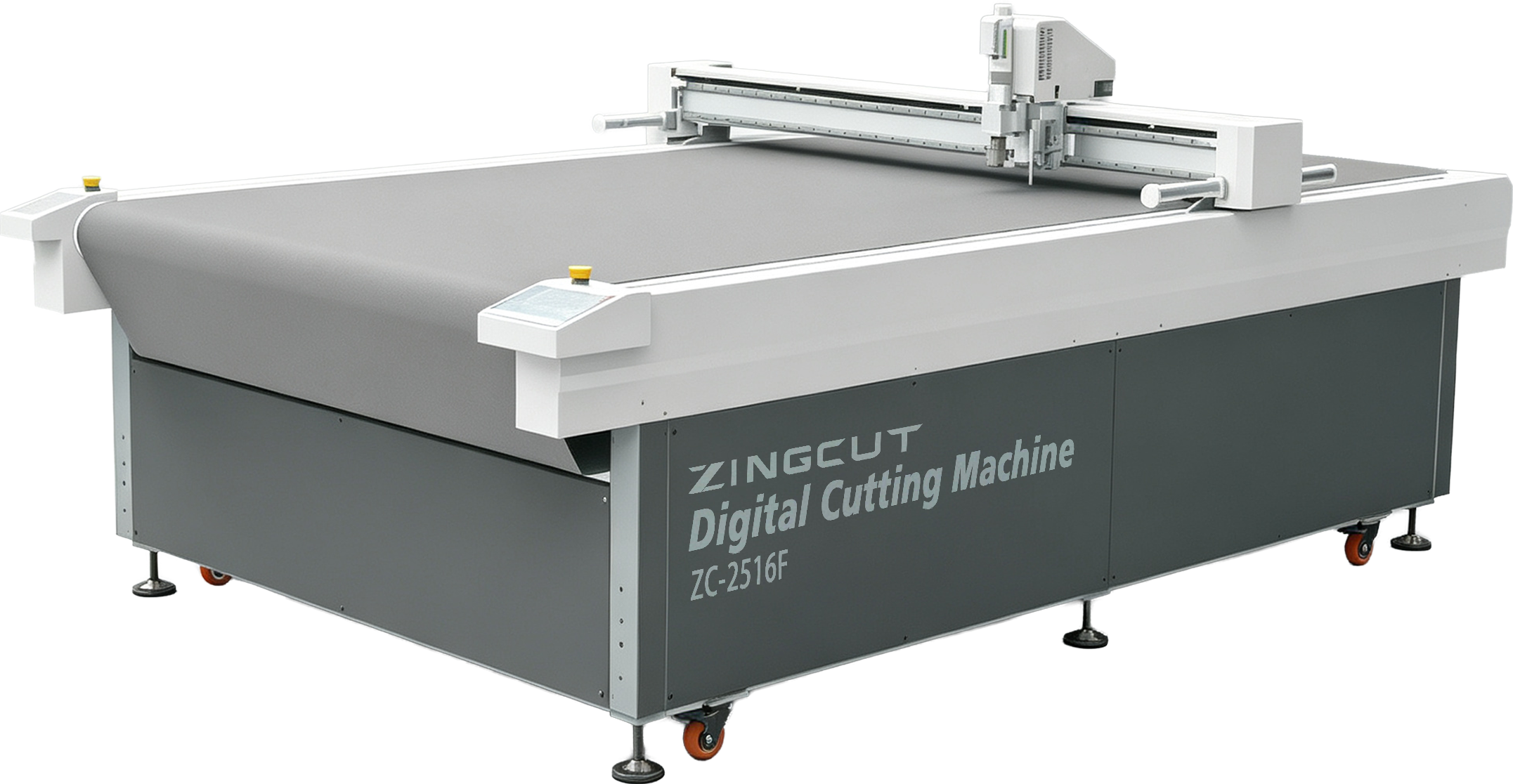


Multi-Material Cutting;
Why This CNC Cutter Takes The Processing Industry By Storm
Most factory owners often ask: Is there one single cutting machine suitable for leather, foam, acrylic and composite materials?
Previously, factories had to buy various dedicated cutters for different raw materials, leading to high costs on equipment, workshop space and labor.
That’s why the multi-material CNC cutter becomes popular in the industry. This article answers all your concerned questions in detail.
What kinds of materials can this CNC cutter process in one machine?
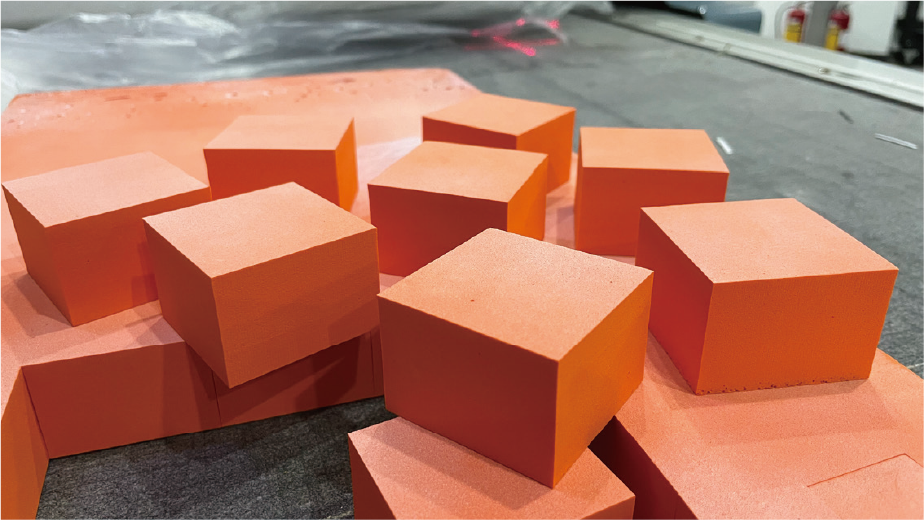
What features when cutting soft rubber & foam materials?
From the technical side, floating press wheel design fixes soft materials firmly to avoid deformation.
From user feedback, factory owners no longer need standalone leather or foam cutters; EVA, sponge and all kinds of leather get clean edges suitable for shoe cushion production.

What processing results can be achieved on advertising boards?
We often receive inquiries from customers in the advertising industry: “Will this CNC cutting machine cause material chipping or uneven cutting edges?”
As manufacturers, we always focus strictly on product quality. We stick to our core mission: securing precise prototype accuracy and maintaining identical cutting standards during continuous batch production to create tangible value for clients.
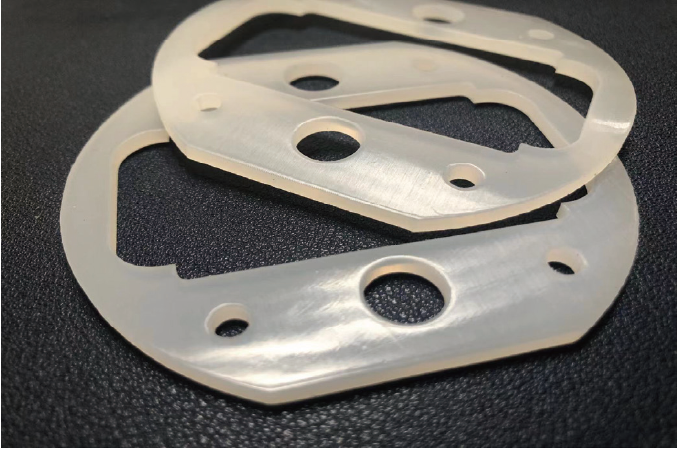
This oscillating knife cutter delivers consistently smooth edges free of burrs. Finished signboards and decorative parts need no extra polishing or edge trimming anymore, greatly cutting down post-processing workload.
Which industrial composite materials are available for cutting?
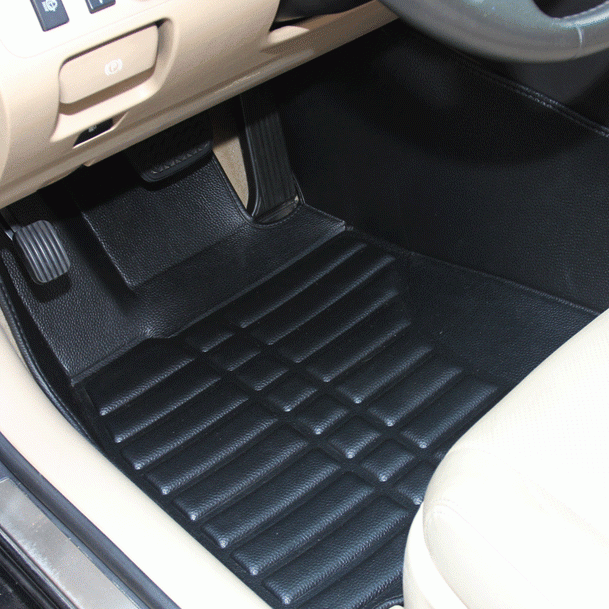
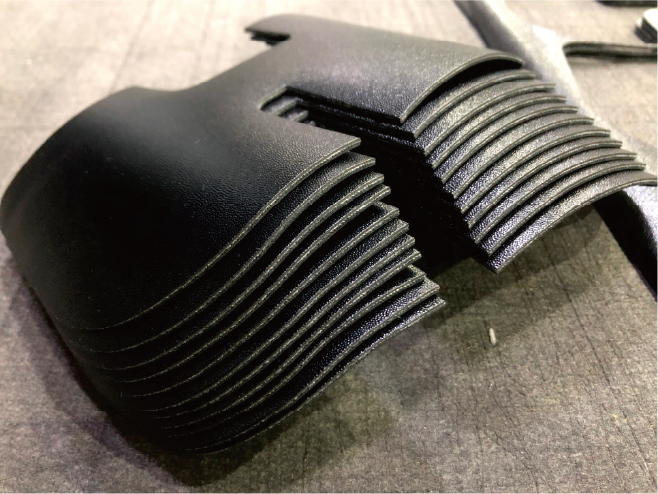

The CNC cutting machine cuts auto composites: car leather, XPE/EVA foam, insulation felt, floor mat composites, fiber interior sheets and adhesive fabric.
Objectively speaking, conventional cutters often cause layered splitting, burrs and dimensional errors on multi-layer auto materials; thick blanks deform under compression with extra finishing needed.With adjustable parameters and precise CNC positioning, the CNC cutting machine fixes these defects and retains steady precision for mass auto interior production.
How does one single machine cut down overall factory investment costs?
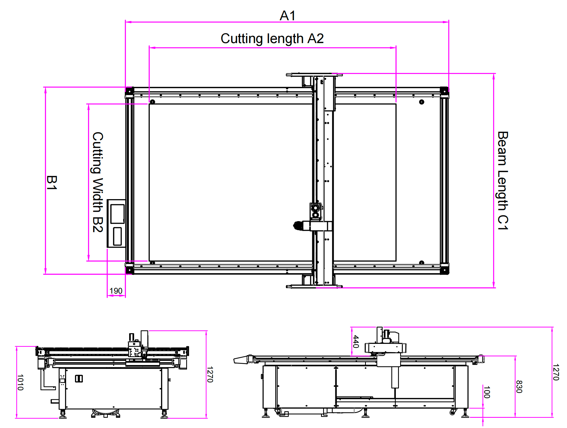
Cost reduction is a core concern for most factory investors. This all-in-one CNC cutter consolidates multiple cutting functions into one unit, helping enterprises cut comprehensive production costs from procurement, site, labor and energy.
How much purchase cost can be saved vs multiple dedicated cutters?
Most buyers hesitate over scattered high spending on various single-function cutters, with inconvenient operation as another pain point, making initial procurement expense a top concern before ordering equipment.
Buyers no longer need to invest in multiple dedicated machines for different materials. A single multi-purpose CNC cutter slashes substantial upfront purchasing costs as well as subsequent fees for extra spare parts of separate devices.
How much workshop space can a single unit help save?
Many factory owners face limited workshop space, and bulky multiple machines take up most available area, so space-saving becomes an important factor for equipment selection.
- Compatible with diverse layout files from different materials (leather, foam, acrylic, composite), one machine finishes all cutting tasks that previously needed several separate devices.
- No need to reserve independent placement area for each dedicated cutter, eliminating gaps between different standalone equipment.
- Centralized feeding and cutting structure optimizes layout, without extra auxiliary space for matched supporting machines.
Therefore, the multi-functional CNC cutting machine realizes remarkable space reduction fundamentally.
How to cut labor and power consumption effectively?
Factory managers always aim to control recurring labor and electricity costs, two regular big expenditures in daily production, hence they value equipment that streamlines workflow to lower such expenses.
- Design & nesting stage: All material nesting and layout work is finished on computer in advance, no need for repeated manual scribing and template making on site.
- File import & cutting: Directly import finished layout files into CNC cutter for automatic cutting; the machine runs automatically after parameter setup with minimal manual supervision.
- Material collection: Neat finished parts come out orderly, simplifying finished-product sorting and collection work.
- Human resource saving: Intuitive operation shortens new staff training cycle; one worker can operate this single machine to process various raw materials instead of tending multiple separate devices, cutting total headcount.
- Energy saving: Fewer running equipment greatly cuts overall standby and operating power consumption of the workshop.
How does the CNC system realize one-click parameter switch for different materials?
Many customers worry frequent parameter reset wastes production time when switching different raw materials, so fast parameter switching is a practical advantage they focus on, which boosts working efficiency and cuts troublesome manual operations.
How can new operators call up cutting programs easily?
Enterprise operators are plagued by long training cycles for newly recruited workers and frequent operational errors caused by unfamiliar parameter settings.
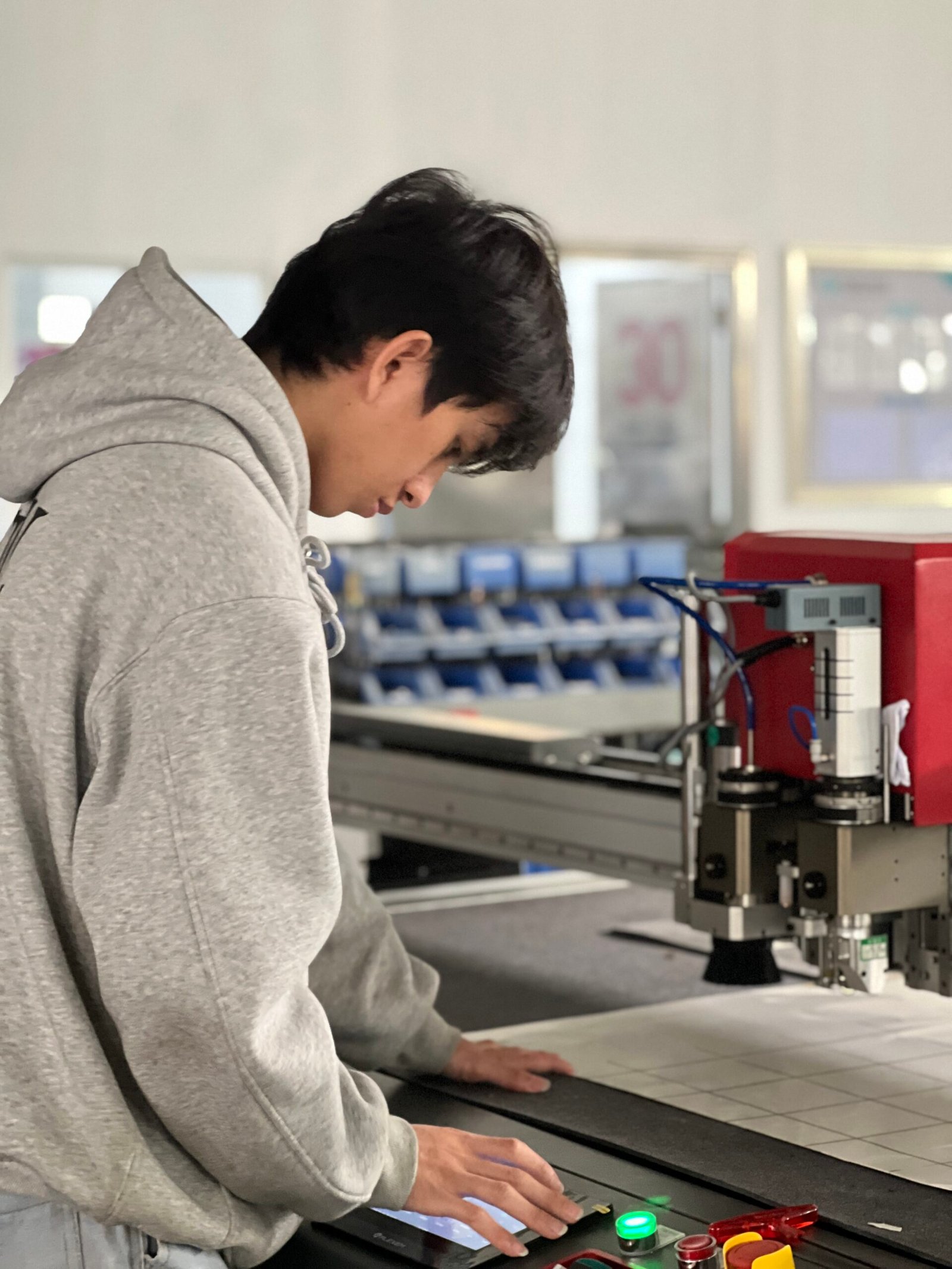
Cutting programs are categorized by raw material types with one-click loading, allowing novice employees to launch production rapidly without complicated technical training.

How does the machine keep stable cutting precision across hard & soft materials?
Product consistency directly decides factory yield and customer reputation, so stable cutting precision for both soft and hard stock ranks high among buyers’ core concerns.
How to prevent stretching and wrinkling during soft fabric cutting?
Fabric wrinkling and stretching directly trigger defective goods and material waste, which puts unnecessary cost pressure on production processors.
Powerful vacuum adsorption plus adjustable pressure wheels fasten materials flat on the cutting table, locking fabrics in place to stop shifting, stretch and crease during high-speed cutting.
How to avoid burrs and edge chipping on rigid acrylic sheets?
Extra polishing for flawed acrylic edges takes extra manpower and working hours, eating into enterprises’ overall production profit.
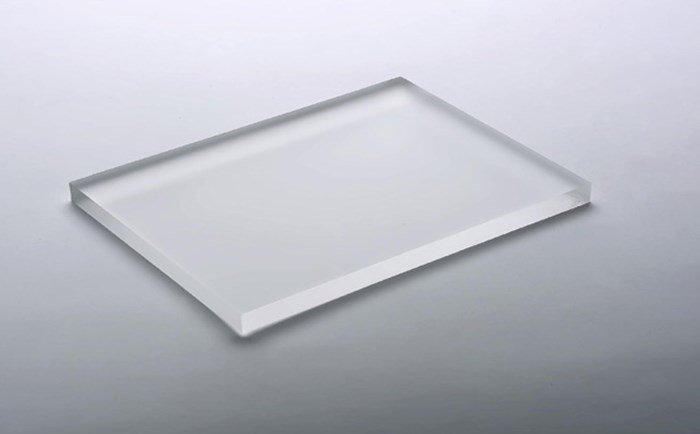
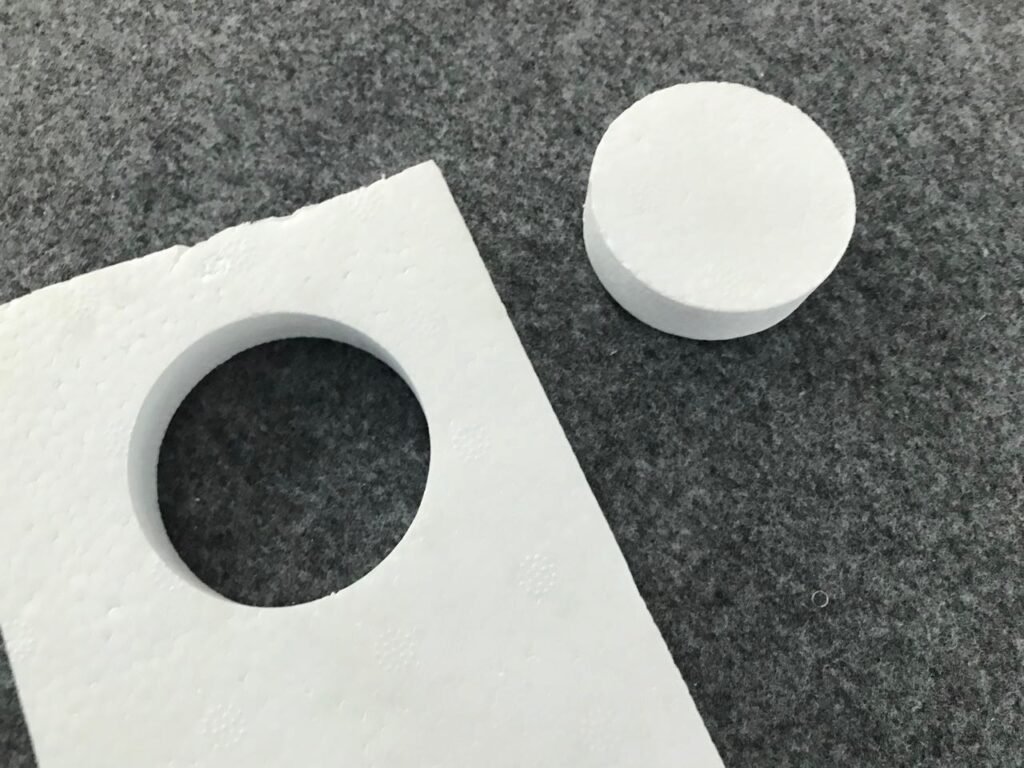
Fine-tunable oscillating cutting depth and cutting speed deliver neat cut without burr or chipping, removing the need for subsequent edge finishing.
What dimensional tolerance can be guaranteed in mass production?
Unstable product dimensions lead to assembly mismatch and customer returns, hurting manufacturers’ delivery credibility and cooperation orders.
High-precision CNC positioning controls tight dimensional tolerance in batch processing, keeping finished parts consistent and lowering rejection losses.
In which processing fields has this cutter been widely applied?
Before purchase, most buyers check applicable industries and finished products, verifying if the machine fits existing orders and helps develop new businesses.
What auto parts are commonly produced with this cutting equipment?
Clients care most whether the machine fits their existing automotive component orders and can take new auxiliary part orders:
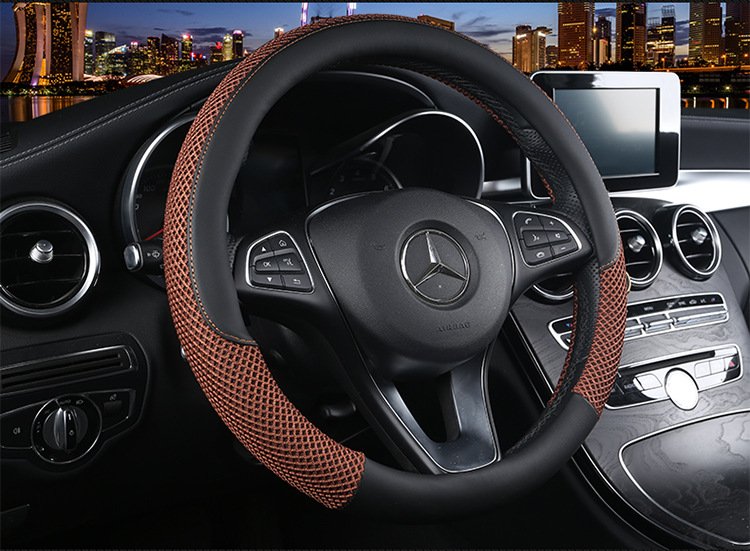
leather seat covers, door sponge liners, trunk felts, sunshade cloth, EPDM sealing strips, floor mats, PVC dash pads and soundproof cotton.
It replaces traditional die cutting, requiring no costly molds for customized small-batch production, greatly cutting customers’ mold investment.

Which cutting troubles do shoe manufacturers solve with the machine?
Shoe factory buyers care about fixing recurring cutting defects and cutting production costs before equipment procurement.
The machine fixes three major pain points:
1. Eliminate rough edges, high material loss and size deviation from manual cutting and die stamping for uppers, mesh, insoles and EVA midsoles.
2. Remove expensive mold fees and long preparation periods for new shoe samples to enable quick small-batch trial runs.
3. Prevent stretch deformation of elastic raw materials and reduce finished product scrap rates.
What finished products do packaging & advertising factories make?
Many clients from packaging and advertising industries often ask whether the machine only cuts gift box liners, yet its processing scope is far beyond a single product.
Packaging field: EVA inner inserts, pearl cotton buffers, cardboard and leather linings used for electronics and premium gift packaging.
Advertising field: Acrylic signs, PVC boards, KT board cutouts, adhesive stickers, flexible banners and exhibition foam decorations.